
In the context of international integration, the oil and gas workforce is becoming increasingly globalized, with employees having numerous opportunities to work on drilling rigs, service vessels, and offshore facilities worldwide. Alongside professional competence, safety, and labor discipline, each employee must pay special attention to respecting the culture, customs, beliefs, religion, and laws of the host nation.
Issues related to food, alcohol, attire, photography, communication, or religion can be extremely sensitive. Therefore, prior to every business trip or international assignment, in addition to the knowledge provided by the Company, every employee must proactively learn the "dos and don'ts," because "not knowing the regulations" is not always an acceptable excuse.
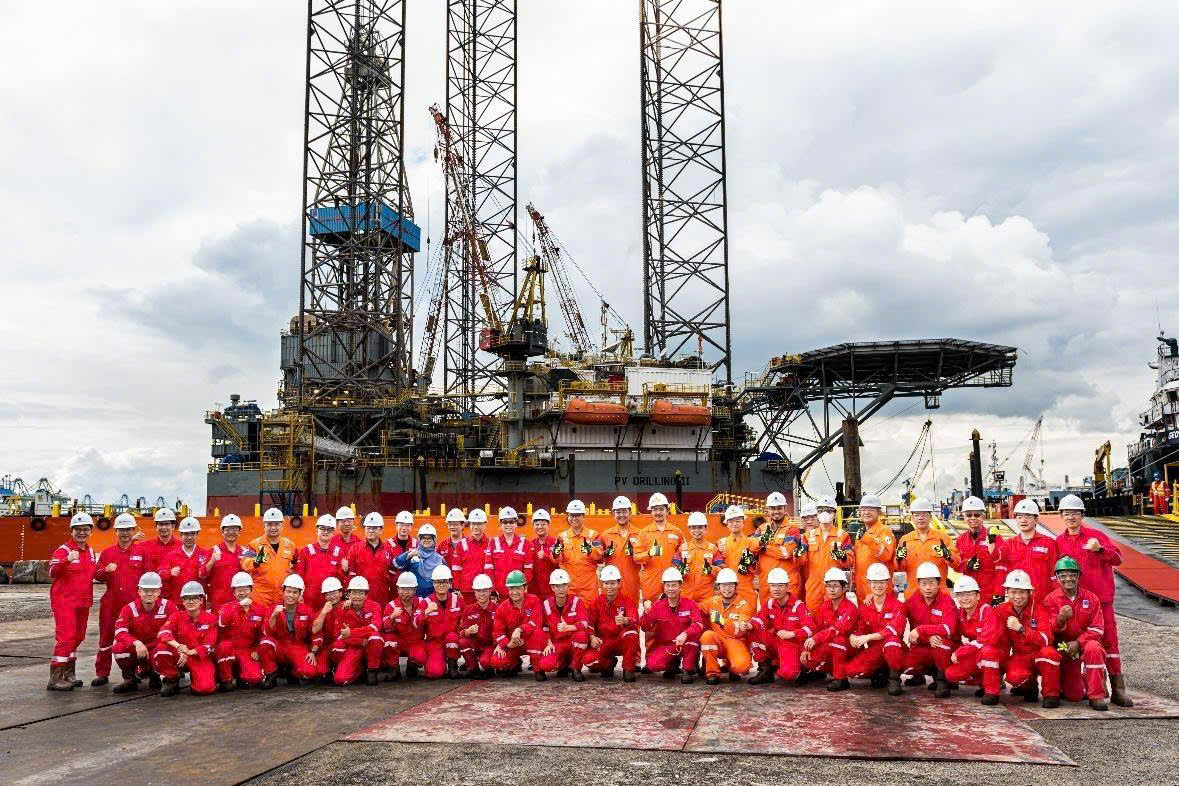
Respecting local culture is respecting partners, respecting the enterprise, and protecting oneself.
A professional worker not only does the right job, works safely, and complies with procedures, but also behaves appropriately, respecting people and cultural differences. A single inappropriate act can affect personal credibility, relationships with clients and partners, and the company's reputation.
1. Respecting faith and religion: Do not comment on, mock, or show disrespect toward local religious beliefs, rituals, symbols, and customs.
2. Exercising caution with food and beverages: Do not bring food into the host country without knowing the regulations; pay special attention to items that are prohibited or restricted for religious reasons.
3. Complying with alcohol regulations: Some countries strictly prohibit or restrict the possession and consumption of alcoholic beverages.
4. Paying attention to attire and public conduct: Adhere to standards and regulations regarding dress code, communication, and behavior in public places or religious areas.
5. Avoiding unauthorized photography or filming: Especially in oil and gas zones, seaports, airports, military or security facilities, and critical infrastructure.
6. Respecting religious timing and rituals: In certain countries, particularly during Ramadan or prayer times, be mindful of rules regarding dining, smoking, and public activities.
7. Refraining from debating sensitive topics: Avoid arguing or making reckless remarks about religion, politics, ethnicity, history, and controversial social issues.
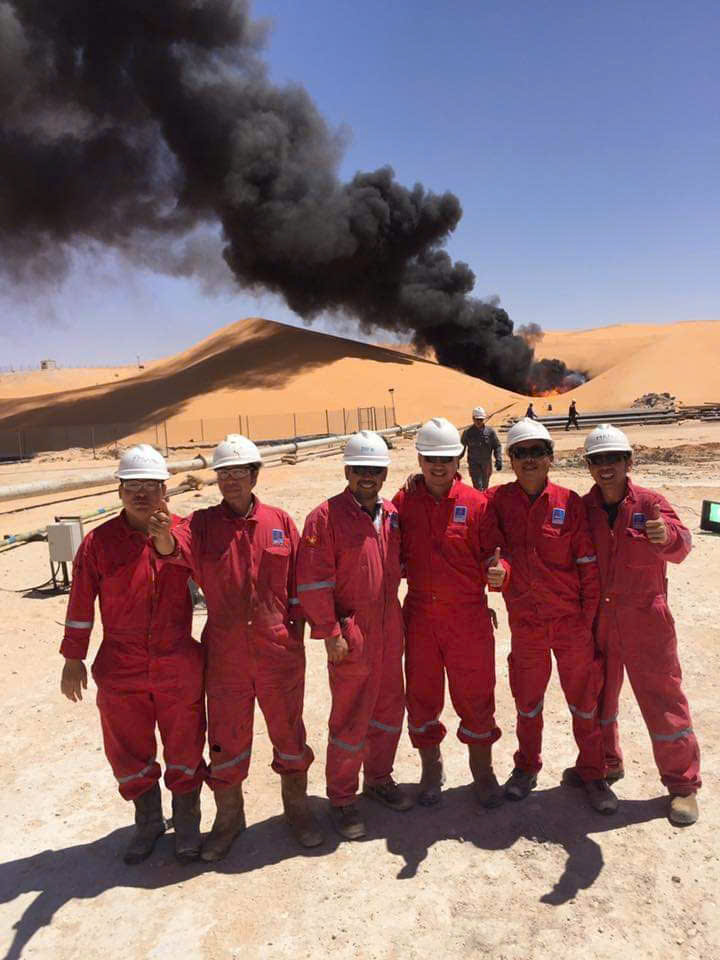
When in doubt, ask before acting
No one can immediately understand all the customs and regulations of another country. However, every worker has a responsibility to proactively learn before departure. If you are unsure whether an action is appropriate, the safest rule is: Do not act on your own initiative – ask your supervisor, client representative, or responsible departments such as HR, Administration, or HSE first. A simple question before acting can help prevent unfortunate incidents and consequences.
Behavioral culture is also a part of professional competence
The oil and gas industry always emphasizes safety, discipline, and compliance. In technical work, a minor operation deviating from procedure can lead to major consequences; the same applies to cultural conduct. A meal, a word, a photo, or an apparently simple action can become a problem if it conflicts with the local environment. Therefore, alongside Safety Awareness, employees working in international environments also need Cultural Awareness: knowing how to research, respect differences, and adjust behavior to suit where they work.
Read more: PVDO's Vision, Mission and Core Values link here:
https://pvdoffshore.com.vn/introduction/vision/
https://pvdoffshore.com.vn/introduction/mission/
https://pvdoffshore.com.vn/introduction/core-value/
Read more: PV Drilling Cultural Handbook here:
https://www.pvdrilling.com.vn/en-US/about-us-en#about-8
Read more: PV Drilling's Code of Conduct (COC) link here:
https://www.pvdrilling.com.vn/en-US/codes-of-conduct-1